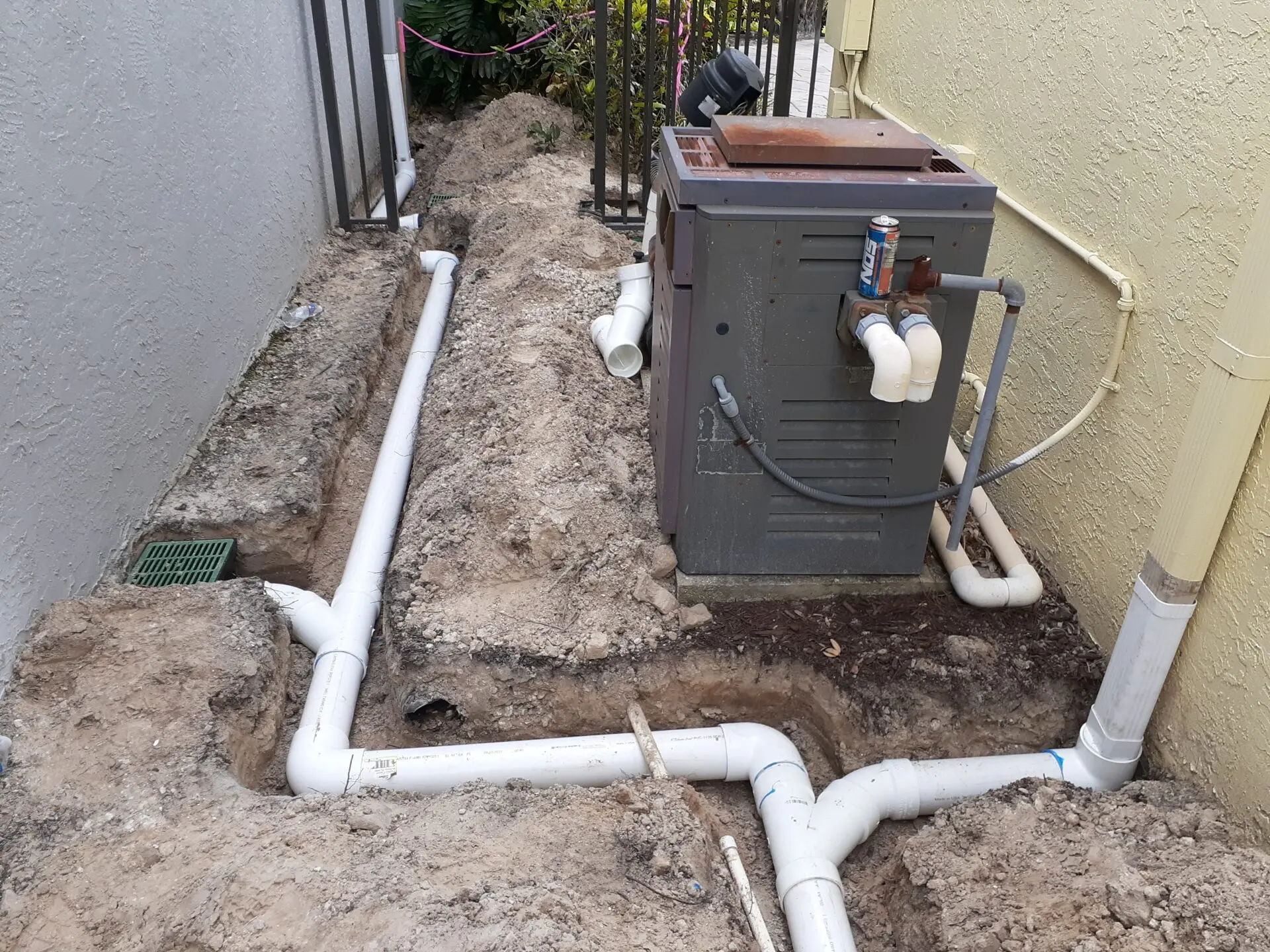
One of the most distressing calls we receive involves homeowners or property managers dealing with stormwater flooding their interiors. Water entering a home or building can lead to extensive damage, including mold and mildew growth, ruined flooring and walls, and long-term structural issues. Our mission is to help you prevent this kind of damage through proactive waterproofing and drainage solutions.
This guide—paired with our helpful video—explains practical steps based on decades of experience in drainage work. If stormwater is entering your home, this article may help you stop or reduce the flooding quickly and effectively.
All our advice is drawn from real projects and conditions here in Palm Beach County. While there are many types of drainage problems, this guide focuses on the most urgent: how to prevent stormwater from flooding your home in Palm Beach through targeted waterproofing and drainage solutions.
How Waterproofing Protects Your Home’s Foundation from Stormwater
If stormwater is entering your home, it’s finding a way in—from the roof, the walls, or more often, through the foundation. This article doesn’t cover catastrophic flooding from hurricanes or natural disasters, but it does address the more common and preventable problem of stormwater from regular rainfall.
Common causes of water intrusion include:
- Foundation cracks caused by age or poor construction
- Intrusive root systems (e.g., Ficus hedges in South Florida)
- Soil erosion and grading issues
If you’re experiencing water intrusion from the floor or lower walls, this foundation waterproofing method may help. We created this guide for those within and beyond our local service area to act quickly before or during a storm.
If water is entering from the floor or lower walls, waterproofing your foundation may be an effective fix. This article is designed to help Palm Beach homeowners—and anyone else in similar climates—take action before the next storm to prevent stormwater flooding.
What is the Foundation of a home or building?
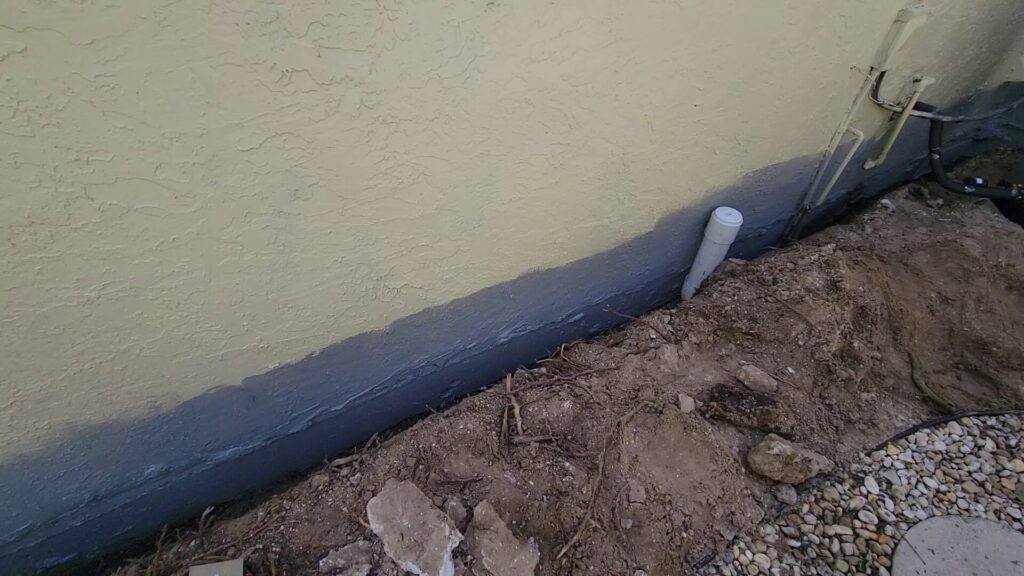
The foundation is the thick concrete slab that supports your home or building. In South Florida, most homes don’t have basements, so the slab is the main barrier between your home and the ground.
Before pouring the concrete foundation, plumbing pipes and steel mesh are installed to reinforce the structure. Around the outer edges, a thicker section known as the “footer,” reinforced with steel rebar, supports the external walls.
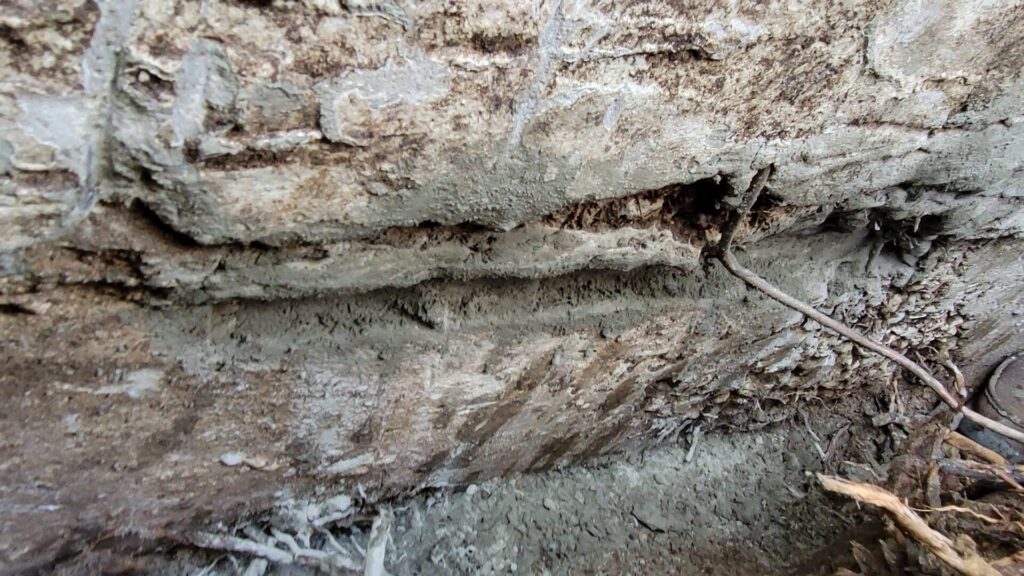
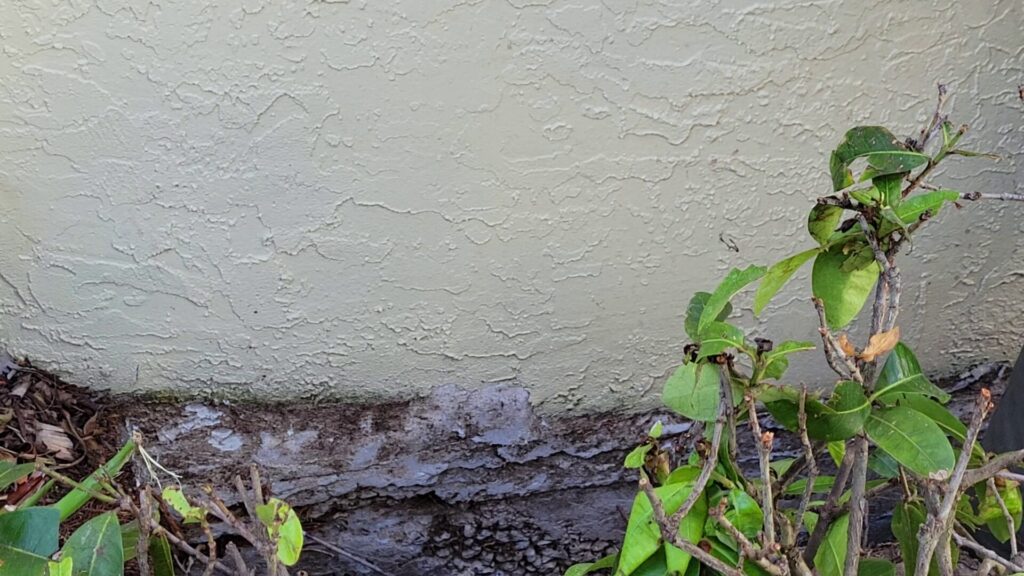
We design our drainage systems to reduce the amount of water collecting on your property—roof water and ground water included. Removing this water helps prevent intrusion through the foundation. However, in rare cases, water may still get inside even with a drainage system.
If we believe water can’t be directed away effectively, we say so up front. Most situations, though, have a solution. That usually begins with rerouting roof water, then collecting and moving ground water away from the structure—often toward the street or municipal drainage system.
Step-by-Step Guide: How to Waterproof Your Foundation to Prevent Flooding
If water is already entering the home, we recommend the following steps. These have worked for many clients in Palm Beach County, although results may vary depending on your specific situation.
Waterproofing the foundation, along with a proper drainage system, can often resolve the issue.
If a storm is on the way and you’re physically able or have assistance, you might be able to complete these waterproofing steps in a single day.
Steps to Waterproof the Foundation:
- Identify the Problem Area
- Measure where water is coming in on the inside of the home.
- Go outside and locate the corresponding area on the exterior wall.
- Inspect for Cracks
- Look for cracks in the wall or near the foundation.
- Keep in mind that even hairline cracks can let in water. Water can enter through flawed or cracked walls, not just the foundation.
- Dig a Trench
- Dig along the foundation where the issue is occurring.
- We recommend digging about 10 feet beyond the visible damage on both sides.
- The trench should expose the full depth of the foundation—often 12″ to 16″ for single-story homes.
- Apply Waterproofing Product
- We’ve used Dura Lock (available at Home Depot) successfully.
- Use a roller or brush to apply the product thickly on all visible areas of the exposed foundation.
- Extend the coating at least 1 foot above ground level.
- Apply 2–3 coats, allowing drying time between each coat.
- Address Visible Wall Cracks
- If you see cracks traveling up the wall, apply waterproofing product to those areas as well.
- After waterproofing, you’ll likely need to repaint those areas.
- Backfill and Install Drainage (if needed)
- Once the waterproofing dries, install or adjust your drainage system.
- Even if waterproofing helps, we don’t recommend relying on it alone. Reducing the amount of water near your home is essential.
We’ve seen the best results when combining waterproofing with a well-designed drainage system. The two go hand-in-hand when trying to prevent stormwater from flooding your home.
Why Drainage Systems Are Essential for Stormwater Protection
Good drainage is the foundation of stormwater prevention.
An effective drainage system should:
- Collect water from roof downspouts and yard areas.
- Use solid 4″ PVC piping to move water efficiently (for most homes). For larger buildings, larger pipes may be needed.
- Discharge water safely into the street drainage system or another approved outlet.
Avoid black plastic or corrugated pipe—these materials collapse and clog easily, especially in yards with trees or heavy soil movement. Rigid PVC offers long-term performance.
Before hiring a drainage contractor, ask these 3 essential questions:
- How will the system collect stormwater?
- How will the water be moved away from my home?
- Where will the stormwater ultimately go?
If your contractor doesn’t have clear answers, it may be worth exploring other options.
Drainage Basics:
- Water absorption: Soil must be porous enough to absorb water.
- Gravity: Proper grading can help move water away from structures.
- Pumps: In some cases, a sump pump is required, especially if the home sits below street level.
Gutter Downspouts Tip: Gutter downspouts are powerful tools. During heavy rain, they show how much water your roof collects and releases. When used to push water through your drainage system, they can keep working even without power—an important feature during storms.
Final Tips for Palm Beach Homeowners to Prevent Stormwater Flooding
If a storm is in the forecast and your home is at risk of flooding:
- Waterproof the most vulnerable areas of your foundation
- Remove invasive plants and hedges near the house
- Make sure you have a complete, functional drainage system
- Get multiple estimates—and compare not just cost, but materials and approach
We hope this waterproofing and drainage guide helps you protect your home and peace of mind. When properly installed together, these systems can prevent stormwater from flooding your home—just as they’ve done for many others on Palm Beach.